

The Evolution of Theater in Rio de Janeiro: From Empire to Republic
History of Theater in Rio de Janeiro
Theater in Rio de Janeiro has a rich and multifaceted history, with origins dating back to the colonial period. Here is a summary of your trajectory:
Colonial and Imperial Period:
- 16th-18th century: The first theatrical manifestations in Rio de Janeiro were of a religious and pedagogical nature, staged by Jesuits. Plays of a moralizing and educational nature were presented to catechize the indigenous population and promote Christian values.
- End of the 18th Century: The first theaters appeared, such as Teatro Manoel da Nóbrega, where plays from Portugal were staged. Theater was still closely linked to Portuguese culture.
- 19th century: With the arrival of the Portuguese Royal Family in 1808, Rio de Janeiro became the capital of the Empire. This boosts cultural and theatrical life.
- Teatro São João (later Teatro Real and Teatro Dom João VI): Opened in 1813, it was the city's main stage, hosting operas, dramas and comedies. It welcomed foreign companies and encouraged national production.
- Romanticism influences Brazilian theater, with authors such as Gonçalves de Magalhães and Martins Pena. Martins Pena stands out for portraying the daily life and customs of Rio society in his comedies of manners.
Republic and 20th Century:
- Early 20th Century: Revue theater gains popularity, with light, humorous plays with a strong visual appeal. Actors like Procópio Ferreira and magazines like Carlos Machado's are hugely successful.
- 1930s-1940s: Important companies and theaters emerged, such as the Teatro Brasileiro de Comédia (TBC), which, although based in São Paulo, had a great impact on Rio de Janeiro. Authors like Nelson Rodrigues are beginning to stand out, with pieces that explore controversial themes and the psychology of characters.
- 1950s-1960s: Brazilian theater is going through a period of renewal, with the influence of modern European and American theater.
- Arena Theater and Workshop Theater: Although from São Paulo, these groups were fundamental to the development of an engaged and politicized theater, which questioned the social and political reality of the country.
- The CPC (Popular Culture Center) of UNE (National Union of Students): He produced plays with national and popular themes, seeking to raise awareness and mobilize the public.
- Military Dictatorship (1964-1985): Censorship imposed by the military regime affects theatrical production. Many artists are persecuted, exiled or censored. Despite this, resistance theater finds ways to circumvent censorship and express its opposition to the regime.
- Redemocratization (from 1985): Theater regains freedom of expression. New authors and groups emerge, exploring different languages and themes.
Contemporary Theatre:
- End of the 20th Century and 21st Century: Rio's theater is diversifying, with productions ranging from great musicals to experimental and research pieces. There is a growing interest in social themes, issues of gender, identity and diversity. Theater festivals and projects to encourage theatrical production contribute to the development of Rio’s theater scene.
Some important theaters in Rio de Janeiro:
- Rio de Janeiro Municipal Theater
- Carlos Gomes Theater
- Glauce Rocha Theater
- Dust Theater
- Clara Nunes Theater
The history of theater in Rio de Janeiro is a reflection of the history of Brazil, with its political, social and cultural transformations. Rio's theater continues to be a space for expression, reflection and entertainment, contributing to the richness of the city's cultural life.
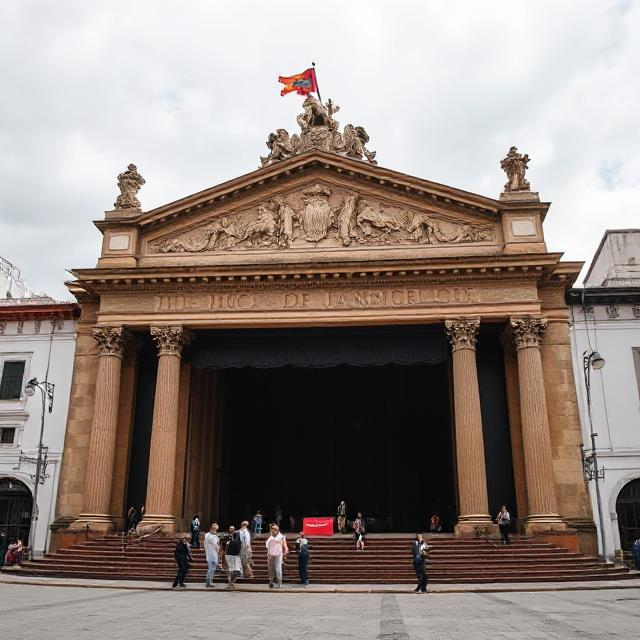
From Catechism to Counterculture: A Journey Through Brazilian Theater
Did you know that Brazilian theater began as a tool for evangelization? Get ready for a fascinating journey through the centuries, discovering how this art evolved, reflecting the soul of our country.
Catechesis Theater: The Seed of Dramatic Art
In the 16th century, the Jesuits, led by José de Anchieta (1534-1597), used theater as a weapon to convert indigenous people to Christianity. The pieces, with a strong moral and religious appeal, mixed elements of native culture to facilitate public understanding and involvement. Catechesis theater, although with religious purposes, laid the foundations for theatrical expression in Brazil, preparing the ground for future developments.
The Court in Rio: The Theater Gains Palaces and French Influence
With the arrival of the Royal Family in 1808, Rio de Janeiro became the center of power and culture. Dom João VI, seeking to entertain the nobility, encouraged the construction of theaters and the import of French plays. The theater, previously restricted to evangelization, now gained palaces and reflected the tastes of the aristocracy.
Comedy of Manners: Brazil Laughing at Itself
In the 19th century, the comedy of manners emerged, a theatrical genre that portrayed the vices and virtues of Brazilian society with humor and satire. Martins Pena (1815-1848), the master of this genre, created caricatured characters and hilarious situations that exposed the behaviors of the time. The comedy of manners offered a critical and entertaining portrait of Brazilian society, inviting the public to laugh at themselves.
Realism: Theater Mirrors Society’s Crises
With the end of slavery and the Proclamation of the Republic, Brazil underwent major transformations. Realist theater, inspired by the European movement, sought to portray the social, political and economic issues of the time in a critical and objective way. Authors like Machado de Assis, José de Alencar e Arthur de Azevedo they used theater to denounce the injustices and dilemmas of Brazilian society.
20th Century: The Search for National Identity
In the 20th century, Brazilian theater gained its own identity. In 1943, Nelson Rodrigues revolutionizes the theater scene with “Vestido de Noiva”, inaugurating modern theater in the country. THE Brazilian Comedy Theater (TBC) and the Arena Theater emerge as important centers of creation and experimentation, seeking new forms of expression and addressing topics relevant to Brazilian society.
Dictatorship and Resistance: Theater as a Stage of Struggle
During the military dictatorship (1964-1985), theater suffered censorship and persecution, but it also became an important instrument of resistance. Theatrical plays denounced oppression and defended freedom of expression, inspiring the fight against the regime. THE Arena Theater, with its bold and engaging montages, was one of the main stages of cultural resistance. Augusto Boal, with his Theater of the Oppressed method, democratized access to art and transformed the public into the protagonists of the scene.
Contemporary Theatre: Diversity and International Recognition
Today, Brazilian theater is internationally recognized for its diversity and quality. Experimental groups and commercial companies explore different languages and address a variety of topics, from social and political issues to reflections on the human condition. Brazilian theater continues to evolve, reflecting the complexity and richness of our culture.
These are just a few suggestions. By applying these optimizations, the text will become more informative, engaging and attractive to the audience.
Theaters in Rio de Janeiro: An Updated Selection for You!
Rio de Janeiro pulses with culture and, of course, theater has a prominent place in this scene! I have prepared a list of some of the most important and active theaters in the city, so you can plan and enjoy the best of Rio's performing arts.
Important: Theater programming is always subject to change. I recommend checking official websites or ticket sales channels to confirm times, prices and availability before going!
Rio de Janeiro Municipal Theater
- Address: Praça Floriano, s/n – Centro, Rio de Janeiro – RJ
- Description: One of the most beautiful and important theaters in Brazil, with a varied program that includes operas, ballets, symphonic concerts and popular music shows. Its stunning architecture is worth the visit!
- Schedule: Check the official website for the updated schedule.
- Official Website: https://theatromunicipal.rj.gov.br/
Clara Nunes Theater
- Address: Avenida Afrânio de Melo Franco, 290 – Lojas 301/302 – Leblon, Rio de Janeiro – RJ (Shopping da Gávea)
- Description: A cozy theater in the heart of Leblon, with a diverse program that includes plays, shows and cultural events.
- Schedule: Check the schedule on the Shopping da Gávea website or ticket sales channels.
Dust Theater
- Address: Rua São João Batista, 104 – Botafogo, Rio de Janeiro – RJ
- Description: An intimate and charming space in Botafogo, known for its programming of quality theatrical plays, which often explore contemporary and authorial themes.
- Schedule: Follow the news on the theater's official Instagram.
- Instagram: @teatropoeira
Theater of the Four
- Address: Rua Marquês de São Vicente, 52 – Gávea, Rio de Janeiro – RJ (Shopping da Gávea)
- Description: Located in Shopping da Gávea, it offers a variety of shows, from light comedies to intense dramas.
- Schedule: Check the schedule on the Shopping da Gávea website or ticket sales channels.
Petra Gold Theater
- Address: Rua Conde Bernadotte, 26 – Leblon, Rio de Janeiro – RJ (Shopping Leblon)
- Description: Known for hosting great musicals and renowned plays, the Petra Gold Theater is one of the most modern in the city.
- Schedule: Check the schedule on the Shopping Leblon website or ticket sales channels.
Banco do Brasil Cultural Center (CCBB)
- Address: Rua Primeiro de Março, 66 – Centro, Rio de Janeiro – RJ
- Description: In addition to exhibitions and other cultural activities, CCBB also offers a diverse theatrical program, with plays for all tastes.
- Schedule: Check the official website to see the complete agenda.
- Official Website: https://ccbb.com.br/rio-de-janeiro/
Other options:
- City of Arts: https://cidadedasartes.rio.rj.gov.br/
- Glauce Rocha Theatre: (usually with more alternative programming)
Extra Tip:
- Theater link in the Rio de Janeiro Cultural Agenda: to find more options for plays and theaters in Rio de Janeiro.
Don't waste time! Choose the theater and show that interests you most, invite your friends and family and experience the magic of Rio theater!